
Counseling Careers
If you are looking to become a counselor, there are several different careers and specializations that you may consider. Counselors often work in a wide array of settings - even when in one specific career. Sometimes you may find a mental health counselor at a hospital, police station, in a family's home or in private practice. Depending upon your career choice and specialization, your counseling career path could bring you to all corners of the community you serve.
Counseling Salary
On average, some counselors could make about $59,190 a year for substance abuse, behavioral disorder, and mental health counselors, according to the Bureau of Labor Statistics (BLS) May 2024 data. However, depending on where you become a counselor and practice, your estimated salary will vary. Different settings will also determine how much a professional counselor earns. For example, a rehabilitation counselor may earn a median annual wage of approximately $46,110, while a school or career counselor had a national median annual wage of $65,140 in May 2024. There are many factors that affect salary, such as mental health needs, state budgets (if employed by state-funded institutions), private practice, and more.
Types of Counseling Careers

Mental Health Counselor
Mental health counselors provide therapeutic support to clients faced with mental, emotional and/or behavioral health issues, such as anxiety, depression, stress, low self-esteem and other concerns.

School Counselor
Professional school counselors provide services to students to support their academic, personal, and social development while working with teachers, administrators and parents.
Career Counselor
Career counseling helps individuals understand themselves and the world of work to make solid occupational, education, and life decisions.

Child Counselor
Child and adolescent counselors help children and teens with physical, emotional, or mental roadblocks that impede healthy development.

College Counselor
College counselors provide students with a variety of supports to promote overall academic, mental, and behavioral wellness.
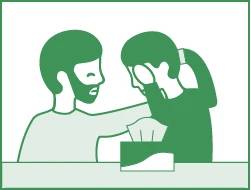
Grief Counselor
Grief counselors support client growth from profound loss, death of a loved one, debilitating injury, terminal illness, divorce, or other personal bereavements.

Military Counselor
Military counselors assist active duty, veterans and their families on mental, emotional and social concerns related to the military lifestyle and experience.

Pastoral Counselor
In pastoral settings, counselors combine therapy with theological training to offer patients a unique and integrated approach to sessions.
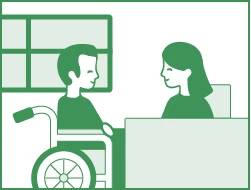
Rehabilitation Counselor
For individuals with physical, mental, developmental, and/or emotional disabilities, rehabilitation counselors assist them in leading fulfilling and successful independent lives.
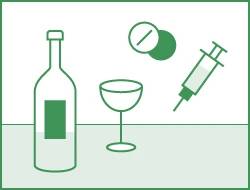
Substance Abuse Counselor
Substance abuse and addiction counselors work with clients to support their mental and physical health in order to accurately provide a holistic treatment of substance abuse disorders.
Information last updated: February 2026